The Institutionalisation of Supported Housing: Regulation, Quality and the Next Phase of Investment
Regulation4 min readNorthford Group
Supported housing regulation in England is moving from policy design into implementation. The Supported Housing (Regulatory Oversight) Act 2023 established the framework for National Supported Housing Standards, local licensing and Local Supported Housing Strategies, and the Government has since set out how it intends to bring much of that framework into effect. Regulations are now being drafted, with further consultation expected as the licensing regime is finalised.
Exhibit 01 sets out the current path from legislation to implementation, including the expected publication of the first Local Supported Housing Strategies by March 2027.
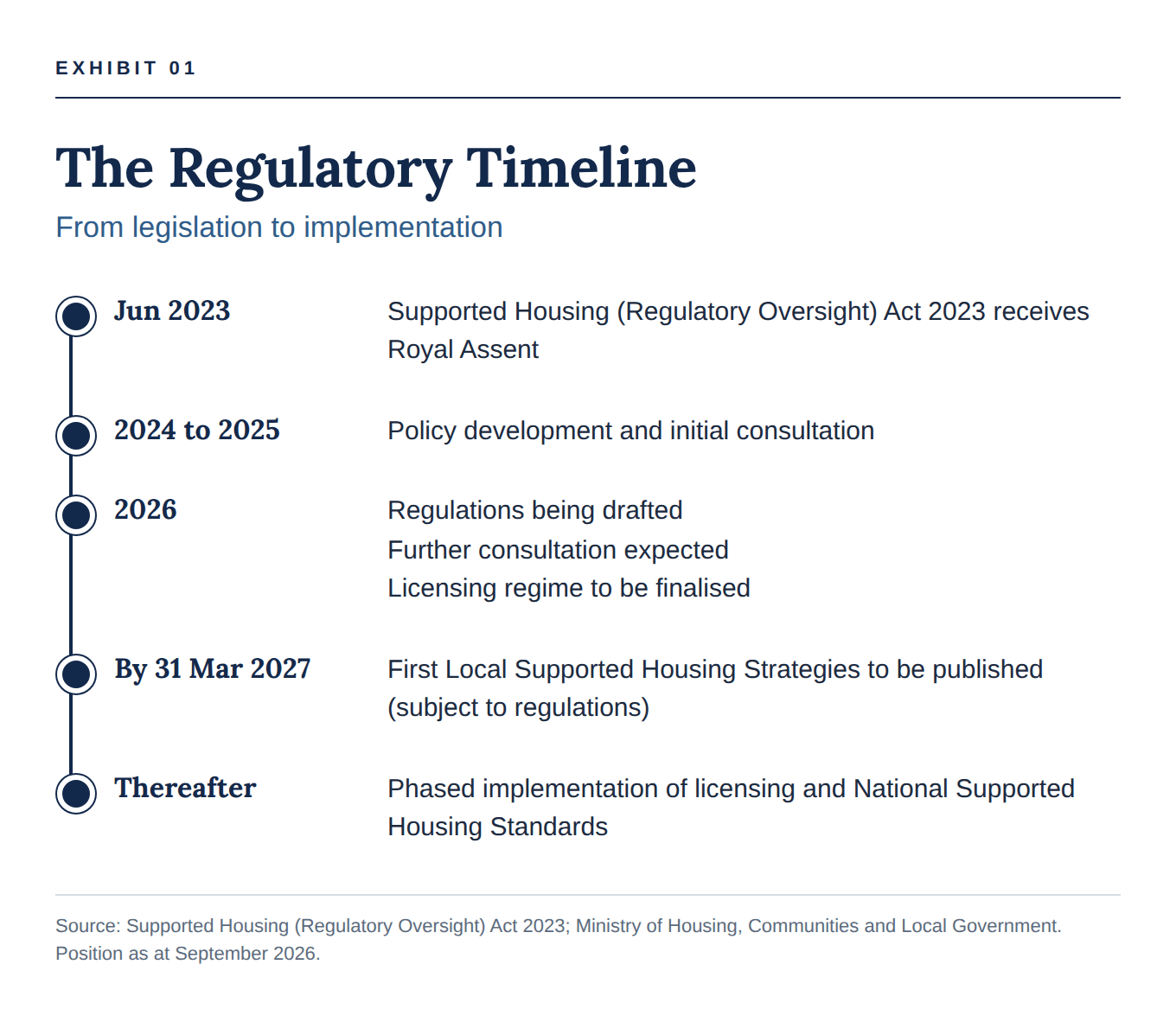
Exhibit 01: The path from legislation to implementation.
Why the reforms matter
For owners of specialist residential property, the importance of these reforms lies less in the introduction of another layer of regulation than in the way they begin to connect provider quality, local need, accommodation standards and Housing Benefit eligibility. Historically, these issues have often been assessed separately. The new framework brings them much closer together.
That is particularly relevant given the scale of the sector. The Government estimates that England has approximately 535,400 supported housing units, within a Great Britain total of 634,000.
As shown in Exhibit 02, the existing stock sits alongside a substantial estimated shortfall in provision, although the scale and composition of that need varies materially by geography and resident group.
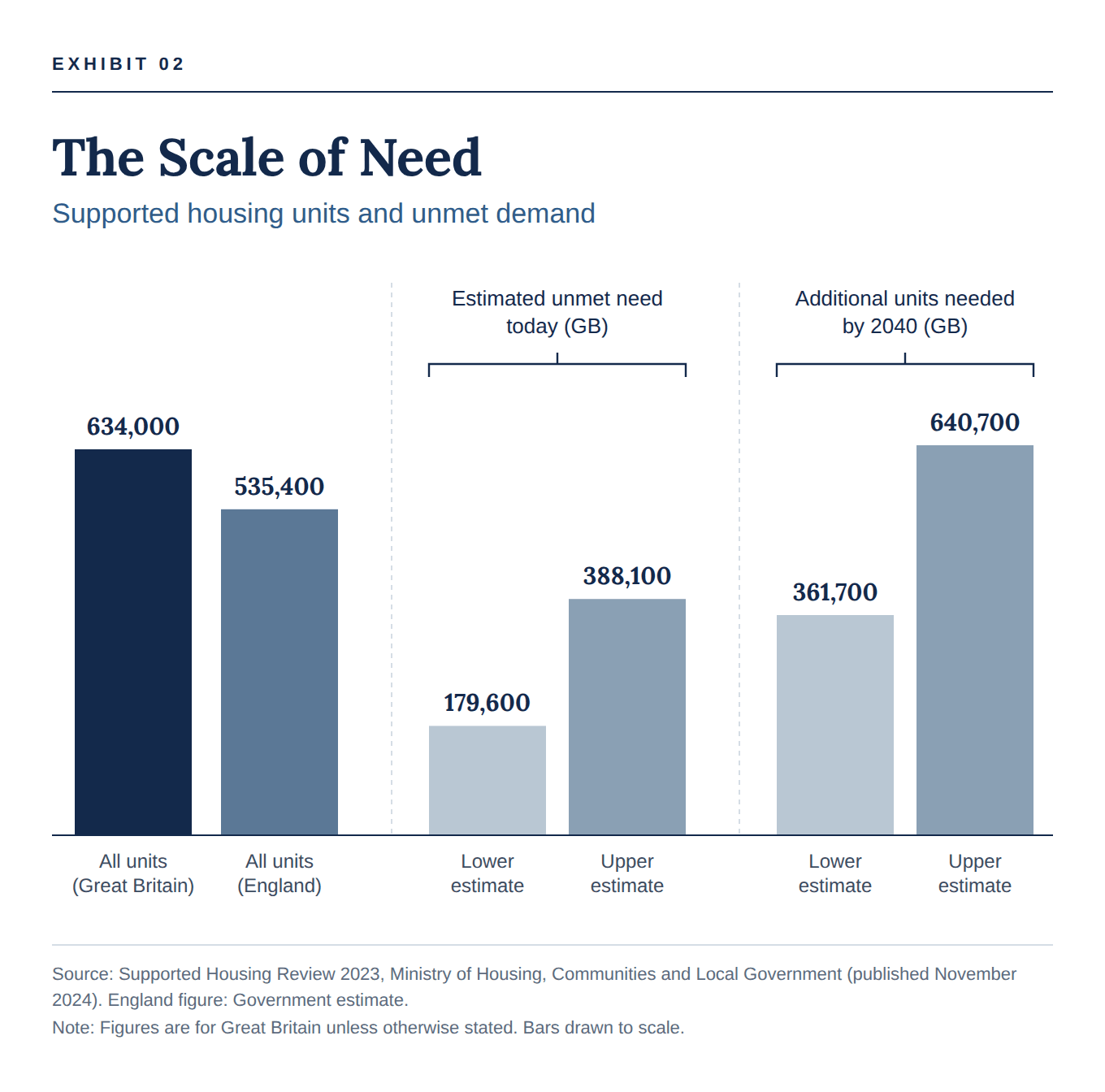
Exhibit 02: Existing supported housing stock against estimated unmet need.
What licensing will require
Under the proposed regime, supported housing falling within the relevant Housing Benefit definitions would be subject to licensing, with providers expected to meet standards relating to accommodation, the quality of support, needs assessment and the suitability of those responsible for delivering services.
The link to Housing Benefit
The more significant point for investors is the proposed link between licensing and Housing Benefit. The Government has confirmed that it intends to make licensing relevant to benefit eligibility, while preserving payments during the application process where a valid application is under consideration. That creates a much clearer connection between regulatory standing and the income supporting the property. In time, an owner may need to think about licensing not simply as an operator compliance issue, but as part of the durability of the rent itself.
Better evidence of local need
The introduction of Local Supported Housing Strategies should also improve the quality of information available at acquisition and development stage. Guidance published in February 2026 requires councils to assess existing provision and likely need over a five-year period. The Government currently plans for the first strategies to be published by 31 March 2027, subject to that date being set in regulations.
This has the potential to make local demand easier to evidence. National shortage figures are useful in establishing the scale of need, but they are a poor substitute for understanding the requirement for a particular form of accommodation in a particular local authority. A scheme for adults with learning disabilities in one part of Greater Manchester cannot be underwritten on the basis of national supported housing demand alone. What matters is whether there is a genuine local requirement, an identifiable referral or commissioning route and an operator capable of delivering the service.
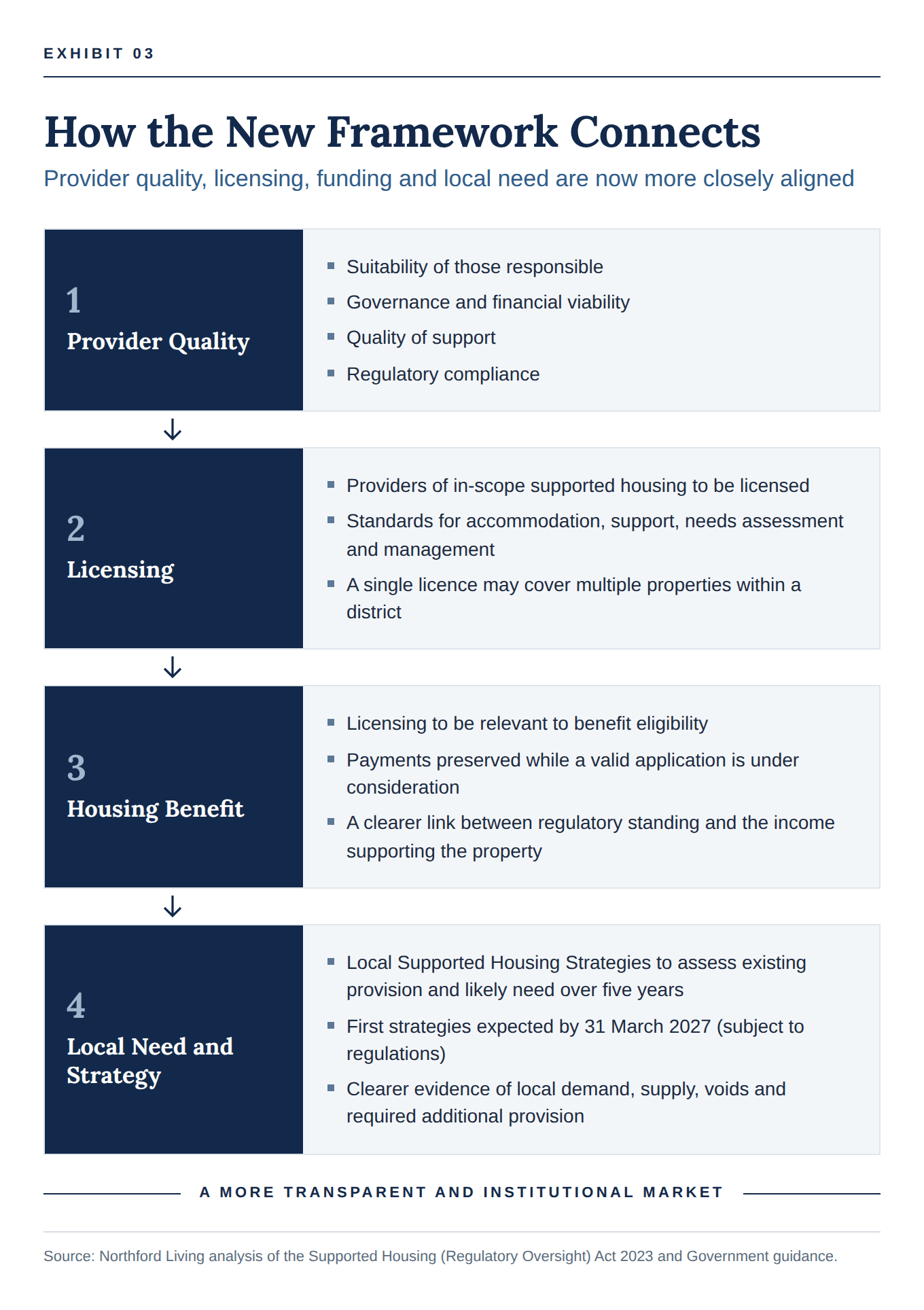
Exhibit 03: The emerging framework increasingly links provider quality, licensing, benefit eligibility and evidence of local need.
That distinction should become more visible as councils publish better information on supply, voids, unmet need and required additional provision. It will not remove the need for judgement, but it should reduce the gap between broad sector demand and the evidence available at asset level.
The cost of compliance
There will also be costs. Providers will face new licensing requirements and local authorities will have to administer and enforce them. Government has already acknowledged the risk of creating unnecessary burdens for well-run providers and has simplified elements of the original proposals, including allowing a single licence to cover multiple properties within a district rather than requiring a separate application for every address.
Planning
Planning remains separate for now. Government is not currently proposing a dedicated supported housing use class, although the 2023 Act requires it to review the effect of the licensing regime within three years of the first licensing regulations being made and then consider whether a new use class is warranted.
Our view
Our view is that the overall direction should favour better owners and better operators. A more regulated market will not make specialist residential low risk, nor will it turn a compliant provider into an investable counterparty by itself. Credit quality, governance, property value and operating performance still have to be underwritten independently.